Bedding · Buying guide
A Cooler, Cleaner Sleep Surface: What to Look for in Organic Cotton Pads
A mattress pad is a quiet layer between the body and the mattress: a little cushioning, a barrier against everyday wear, and a surface that can influence how the bed feels through the night. Organic cotton offers a breathable, plant-based option—but fiber claims, construction, fit, and care all deserve a closer look.
At bedtime, comfort can come down to details measured in millimeters: the texture of a woven cover, the loft of a quilted layer, the way fabric shifts when someone turns. A mattress pad is not a replacement for a mattress or a thick, pressure-relieving topper. It is a lighter protective layer, usually designed to cushion the sleep surface modestly while helping shield it from perspiration, skin oils, and minor wear.
For people seeking vegan bedding, organic cotton pads can be an appealing place to start. Cotton is a plant fiber, and a pad made entirely from cotton may avoid animal-derived fill such as wool or down. But the word “organic” does not, by itself, mean “vegan,” “chemical-free,” or suitable for every sensitive sleeper. The full bill of materials matters: cover, filling, elastic, thread, coatings, and any treatments applied during manufacturing.
The most useful approach is to treat a product claim as an invitation to investigate. Look for clear fiber details, understand what a certification covers, check how the pad fits your mattress, and make sure its care instructions suit the household’s routine. These practical checks can help turn broad labels into a better-informed choice.
What a mattress pad does—and what it does not
A mattress pad generally sits above the mattress and below the fitted sheet. Its job is to add a modest layer of cushioning and help protect the mattress surface. Some pads are quilted with cotton batting; others use a stretch-knit or woven shell with a thin fill. A waterproof protector, by contrast, is designed to resist liquid and may use a membrane or coated layer. A topper is typically thicker and intended to change the feel or support of the bed more noticeably.
Those distinctions matter because the same word can be used loosely in product descriptions. If your priority is spill protection, confirm that the item is specifically described as waterproof or water-resistant; ordinary cotton is absorbent, not a dependable liquid barrier. If you want a substantial change in firmness or pressure relief, a thin mattress pad may not provide it. Knowing the intended function helps prevent disappointment and makes comparisons more meaningful.
A cotton pad may also make a mattress feel slightly softer or more textile-rich, but the result depends on batting thickness, quilting pattern, and how tightly the pad is held in place. The layer is only one part of the sleep environment. Room temperature, bedding weight, mattress construction, pajamas, and personal comfort all influence whether a bed feels warm or cool.
Read the fiber details, not just the headline
“Organic cotton” can describe the fiber, but it does not automatically tell you what every part of a finished pad contains. A careful product description should identify the cover fabric and the filling separately. Ideally, it will also clarify whether the thread, elastic, backing, and any surface treatment include materials other than cotton.
For a vegan-friendly bedroom, look for an explicit, component-level materials statement. Cotton batting and a cotton percale cover are plant-based materials, but a cotton description alone may not disclose the composition of elastic or finishing components. Wool, down, silk, and other animal-derived fibers may appear in bedding blends, sometimes in products marketed around natural materials. If avoiding animal products is important, check the complete description and contact the maker when details are missing.
It is also useful to separate three claims that are often treated as though they mean the same thing:
- Organic: A claim about how agricultural fibers are produced and, depending on the standard, processed and tracked.
- Vegan: A claim that the product does not contain animal-derived materials, and sometimes that animal testing or other practices are excluded under a particular program’s rules.
- Low-emission or tested for harmful substances: A claim about specific substances or emissions under a defined testing scheme.
These claims can overlap, but none should be assumed from another. A product can use certified organic cotton and still contain a non-vegan component. A product can be vegan without using organic fibers. Likewise, an organic label does not establish that a pad is waterproof, hypoallergenic, or free of every substance a particular person wishes to avoid.
How to understand GOTS and related certifications
Certification can help make a complex supply chain more legible. The Global Organic Textile Standard, commonly known as GOTS, covers organic textiles through requirements that extend beyond the origin of the raw fiber. Its criteria address processing and aspects of environmental and social responsibility, with the applicable scope depending on the certified product and its label category. When a bedding item carries a GOTS claim, look for the certification details and verify that the claim relates to the finished product rather than an isolated material or supplier.
GOTS is not, on its own, a vegan certification. Nor does an organic-textile certification necessarily answer every question about a product’s complete composition, performance, or suitability for a particular health concern. Certification schemes have different purposes. Some focus on organic production and processing; others test finished textiles for certain substances or assess a manufacturer’s environmental practices. Read the scope instead of relying on a logo as a universal guarantee.
A useful verification routine is straightforward: identify the exact certification named, check whether the product listing provides a license or certification reference, and consult the certification organization’s current guidance. If the label is vague—“eco-certified,” for example—ask what standard applies and which parts of the product are covered. For vegan claims, look for a clear statement of materials and, where available, a relevant vegan standard or certification. No single badge answers every question.
Cotton batting and percale: two parts of the feel
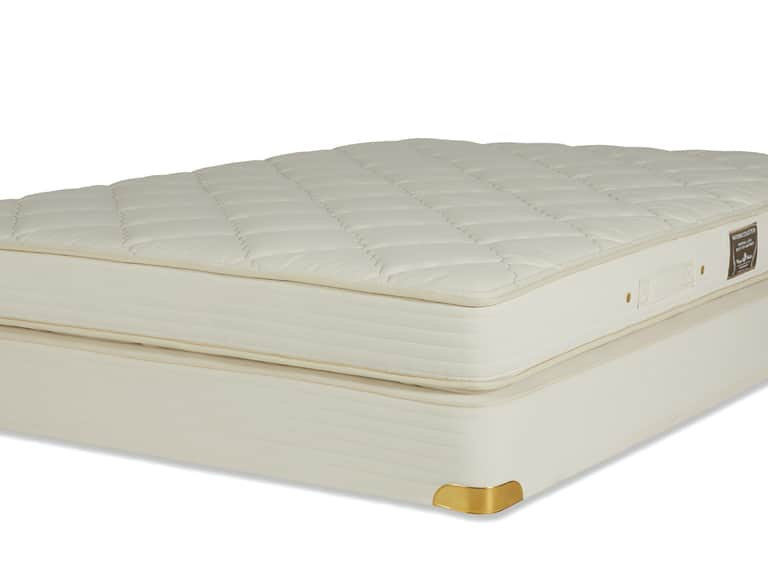
In a quilted pad, the filling creates loft and softness while the cover contains the batting and provides the surface that meets the fitted sheet. Cotton batting is made from cotton fibers arranged as a cushioned layer. Its thickness, density, and quilting affect how plush the pad feels and how well it stays evenly distributed over time.
Percale describes a plain-weave fabric, not a fiber or a certification. Cotton percale is often valued for a crisp, matte hand and an open, breathable feel compared with some denser or smoother constructions. The sensation depends on the yarn, weave, finishing, and fabric weight, so the word “percale” alone cannot predict exactly how a pad will feel. A pad with a percale cover may suit people who prefer a less slick surface, while others may favor a softer, brushed finish.
Quilting holds the layers together and influences their movement. Small quilted squares can help limit shifting of the filling, though the result depends on stitch spacing and construction quality. A pattern that is too tight may compress the batting; a looser pattern may allow more loft but can leave room for unevenness. Product descriptions should explain the construction clearly, and close attention to stitching and seams can provide clues about durability.
Cotton is breathable in the everyday textile sense, but no fabric guarantees a cooler night. Moisture, room conditions, mattress materials, and the sleeper’s own temperature regulation all contribute. A breathable pad may help avoid the sealed, plasticky feel some people associate with impermeable layers, yet it is not a substitute for choosing suitable bedding weight or managing bedroom temperature.
Fit: pocket depth, elastic, and movement
A pad that creeps toward the foot of the bed or pulls loose at the corners can interrupt sleep and wear unevenly. Before choosing a size, measure the mattress length and width, then measure its depth from the base to the top surface. Include a topper if one will remain under the pad. Compare that measurement with the pad’s stated pocket depth, allowing enough room for the mattress rather than stretching the fabric to its limit.
Elastic construction affects how securely a pad stays in place. Some designs use elastic around the full perimeter; others use elasticated corner straps or a fitted-skirt shape. Full elastic can help distribute tension around the mattress, while corner straps may be easier to position but can move on certain mattress shapes. Neither design is automatically best: mattress height, corner shape, topper use, and the fabric’s stretch all matter.
For example, an organic cotton pad with a quilted surface and deep pockets may be designed to fit a thicker mattress, but buyers should still compare the listed dimensions with their own bed. A secure fit should not require excessive force, and the pad should not bunch into ridges beneath the fitted sheet. If you use an adjustable base, consider how the pad behaves as the mattress bends and confirm compatibility with the manufacturer.
Care instructions are part of the buying decision
A pad that cannot be cleaned in a way that fits your household may not remain practical for long. Check whether it is machine washable, what water temperature is recommended, and whether the maker advises a gentle cycle, line drying, or low-heat tumble drying. Care instructions can vary even among products made predominantly from cotton because quilting, elastic, fabric finishes, and construction methods differ.
When washing is permitted, a gentle cycle and mild detergent can reduce unnecessary stress on stitching and fibers. Avoid overloading the washer: a bulky pad needs room to move through water and rinse thoroughly. Low heat, when allowed by the label, may help reduce shrinkage and wear compared with high-heat drying. Remove the pad promptly after drying so it does not sit compressed in the machine. Always follow the product’s own care label, since general advice cannot replace its specific instructions.
Frequent washing is not always necessary. Use a clean fitted sheet above the pad, address spills promptly, and follow the maker’s schedule. A pad is not a substitute for a mattress protector when liquid protection is essential. If laundering at home is difficult, consider the pad’s size and drying time before buying; a king-size quilted layer can be cumbersome even when the care label says machine washable.
Choosing a pad for sensitive sleepers
People with allergies, asthma, eczema, or chemical sensitivities may be especially attentive to bedding materials. A simpler fiber composition can make it easier to understand what touches the skin, but “natural” and “organic” are not medical guarantees. Sensitivities vary, and some people react to fibers, detergents, dyes, finishes, dust, or other elements of the sleep environment.
For a cautious choice, review the full material description, ask whether dyes or finishes are used, and check for relevant third-party testing where a specific concern applies. Wash new bedding according to its instructions before use if that is appropriate for the product. If a person has a diagnosed allergy or ongoing skin symptoms, advice from a qualified healthcare professional is more dependable than a broad product claim.
“Chemical-free” is an imprecise phrase: all physical materials are composed of chemicals, and the term does not specify which substances were tested or excluded. More useful language names a standard, a restricted-substance list, or a particular testing scope. Be wary of claims that promise universal safety without explaining how they are defined.
A practical checklist before buying
Use this short checklist to compare organic cotton mattress pads without getting lost in labels:
- Confirm the purpose: Is the item a light pad, a waterproof protector, or a thicker topper?
- Read the complete materials list: Check cover, fill, thread, elastic, backing, and finishes.
- Verify vegan suitability: Look for an explicit animal-free materials claim; do not infer it from “organic” or “natural.”
- Understand certification scope: Identify what the named standard covers and whether it applies to the finished product.
- Compare construction: Review batting, cover weave, quilting, and seam details.
- Measure your mattress: Include any topper and check both dimensions and depth.
- Inspect the attachment: Decide whether full-perimeter elastic, corner straps, or a fitted skirt suits your bed.
- Check care requirements: Confirm wash settings, drying instructions, and whether the pad fits your laundry routine.
- Separate comfort from claims: Breathability and softness are useful considerations, not promises of a particular sleep temperature or health outcome.
A small layer with a long working life
A well-chosen pad is not defined by a single label. Its usefulness emerges from the fit between material, construction, bed, and care routine. Organic cotton may offer a plant-based, breathable surface for a vegan-friendly bedroom, while a GOTS certification can provide meaningful information about organic textile production. Neither fact removes the need to check all components, verify the exact claim, and decide whether the product’s performance suits your needs.
Think of the mattress pad as part of a layered system rather than a standalone solution. The fitted sheet, mattress protector, room climate, and cleaning habits all play their part. With clear materials, a secure fit, sturdy quilting, and manageable care, an organic cotton pad can provide a practical buffer between sleeper and mattress—quietly doing its work night after night.
Frequently asked questions
Is an organic cotton mattress pad always vegan?
No. Organic cotton identifies the fiber and its production under a particular standard, but the finished pad may contain other materials. Check the fill, cover, elastic, thread, and any coatings or treatments. A clear vegan claim or relevant vegan certification can offer additional assurance, but its scope should still be understood.
Does GOTS certification mean a pad contains no animal-derived materials?
Not necessarily. GOTS is an organic textile standard, not a blanket vegan certification. Review the product’s complete composition and the certification details rather than treating one label as proof of every attribute.
Will a cotton pad keep me cool?
Cotton and a breathable percale cover may feel airy compared with some less breathable surfaces, but they cannot guarantee a cooler night. Room temperature, mattress construction, bedding layers, and individual comfort all influence sleep temperature.
Is a mattress pad waterproof?
Not unless the product is specifically designed and labeled for liquid resistance. Cotton can absorb moisture, so a standard cotton pad should not be treated as a waterproof mattress protector.
How do I know whether the pad will fit?
Measure the mattress width, length, and depth, including any topper that will sit below the pad. Compare the measurements with the product’s size and pocket-depth information, then consider how its elastic or straps attach to your mattress.
Can an organic cotton pad be machine washed?
Many can, but care varies by product. Follow the sewn-in label and maker’s instructions. Gentle washing and low-heat drying may help preserve shape and stitching when those methods are permitted.