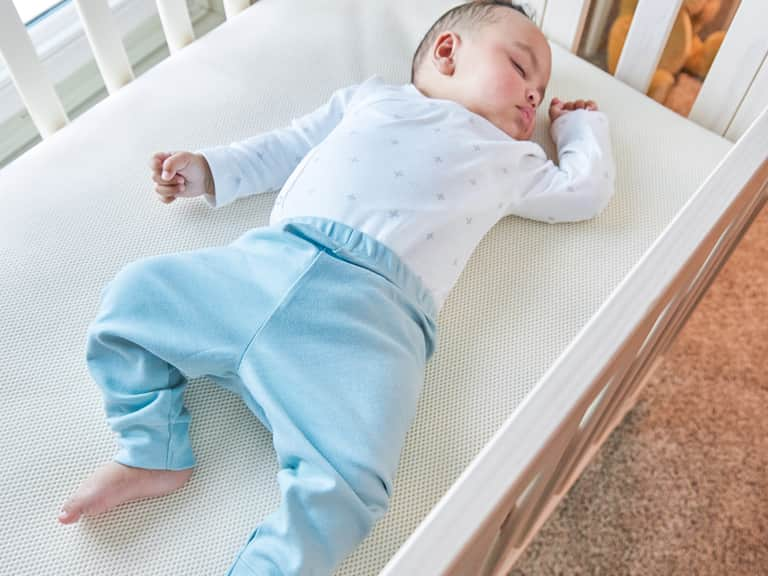
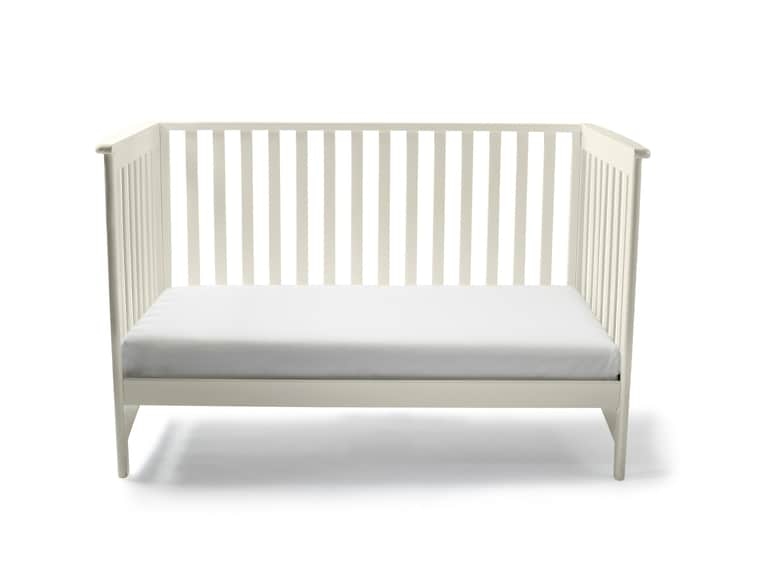
A nursery sleep environment typically includes a crib mattress, fitted sheets, pillows where age-appropriate, and other bedding suited to the child’s needs. Selecting an organic crib mattress involves considering mattress dimensions, firmness, materials, and care instructions. These factors help caregivers understand how a sleep surface fits a crib and supports practical nursery routines.
The Obasan Organic Crib Mattress is designed for standard crib use, with an organic construction indicated by its name. When evaluating this type of mattress, caregivers can check its dimensions, materials, firmness, and maintenance requirements. A properly fitting mattress helps reduce gaps between the mattress and crib sides and supports a stable sleep surface.
The Naturepedic Organic Mini Crib Mattress is intended for mini cribs, which require a smaller mattress size than standard cribs. Confirming exact measurements is important because mini crib dimensions can vary. Its organic designation makes material composition a relevant consideration for families comparing organic mattresses and planning a compact nursery or a space-conscious sleeping arrangement.
The Naturepedic Lightweight Organic Cotton Crib Mattress combines an organic cotton reference with a lightweight design. Lower weight can make routine lifting and handling more manageable when changing fitted sheets or maintaining the crib area. Caregivers should review the product’s specifications and care guidance to understand its construction and compatibility with their particular crib.
Crib mattresses work alongside fitted sheets and other nursery bedding, but each item should be suitable for the child’s age and sleep space. Pillows and loose bedding may not be appropriate for infants; caregivers should follow current safe-sleep guidance. Comparing mattress size, materials, weight, and cleaning instructions helps clarify the functional differences among these options.
 Nursery